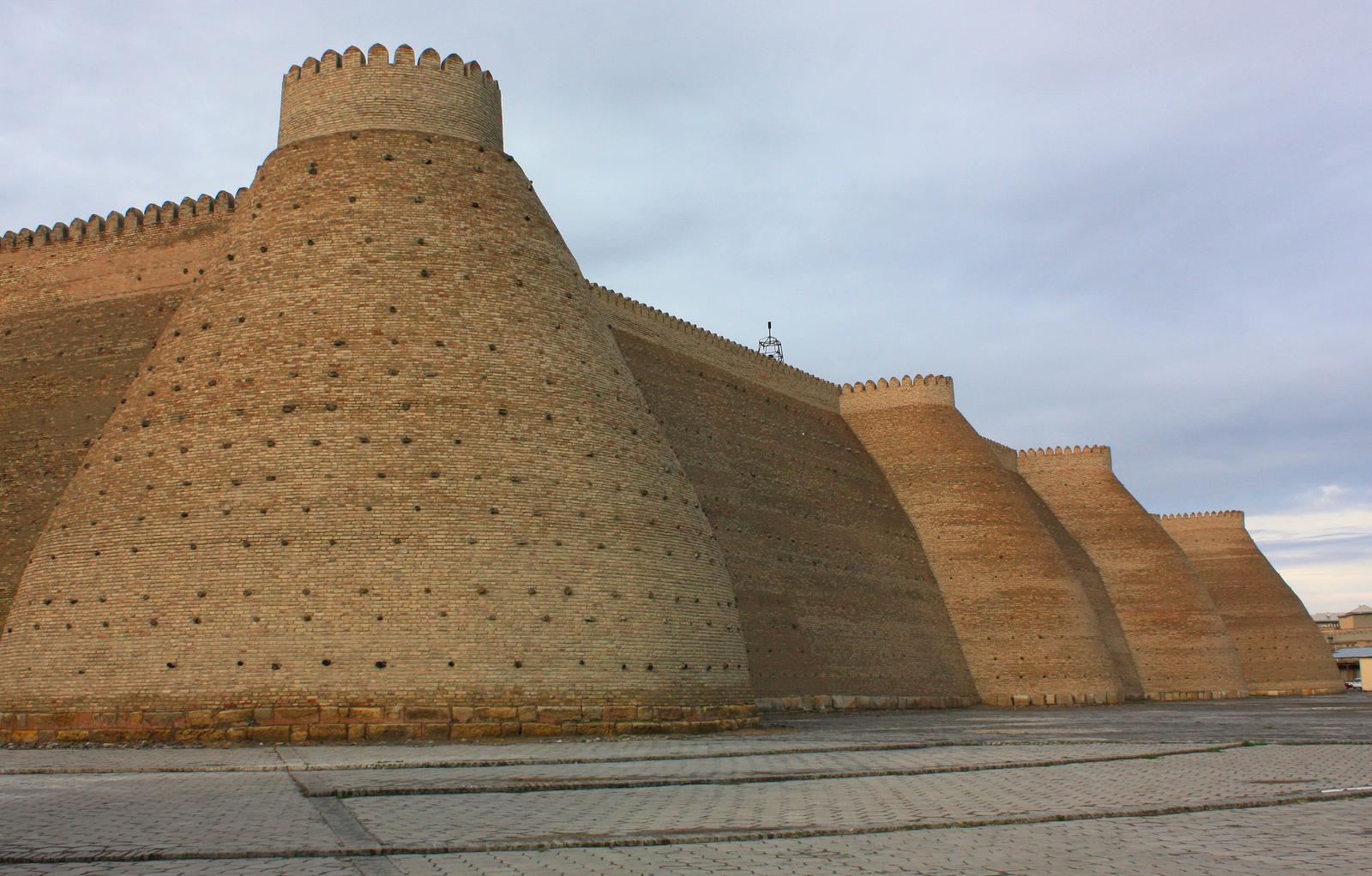
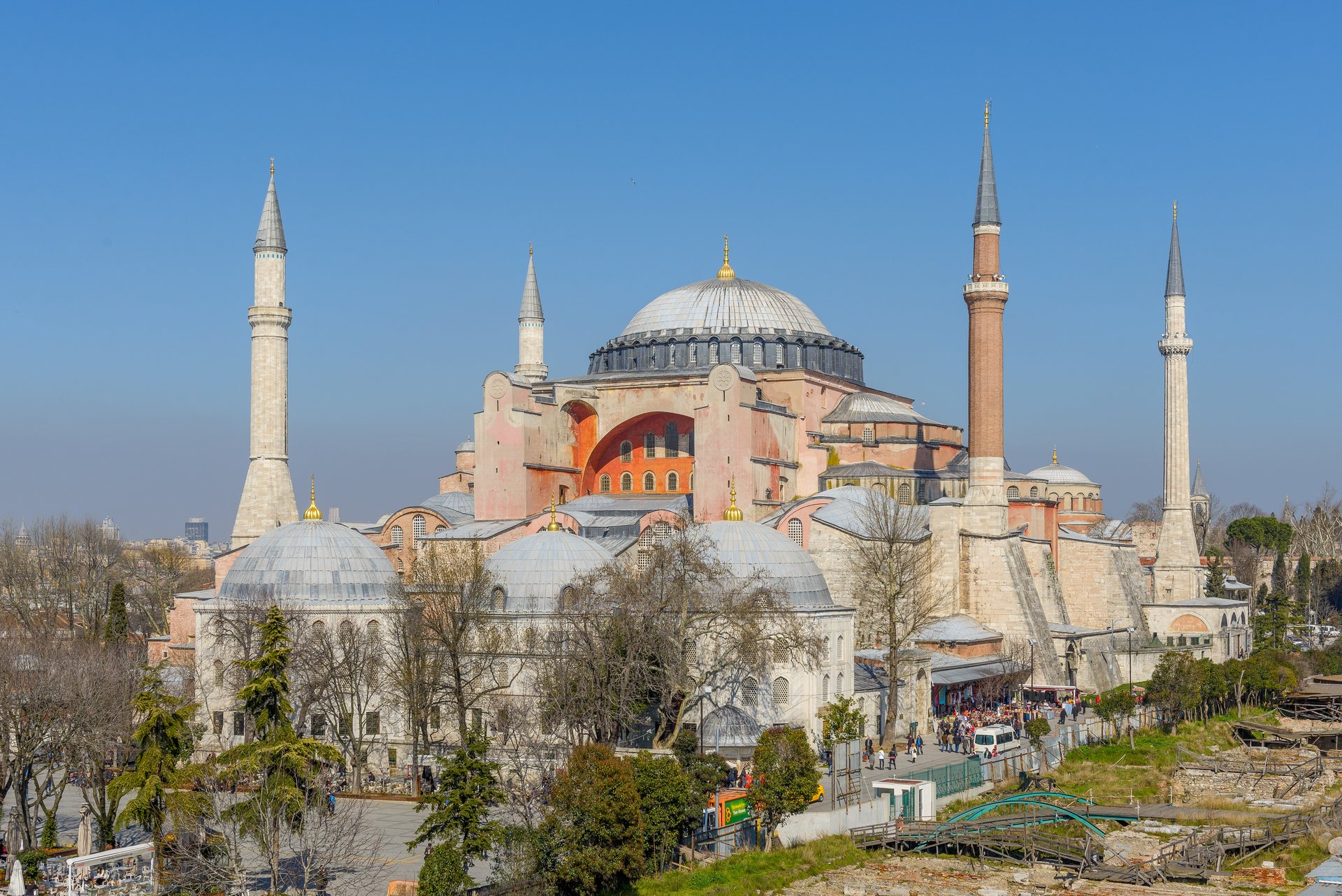
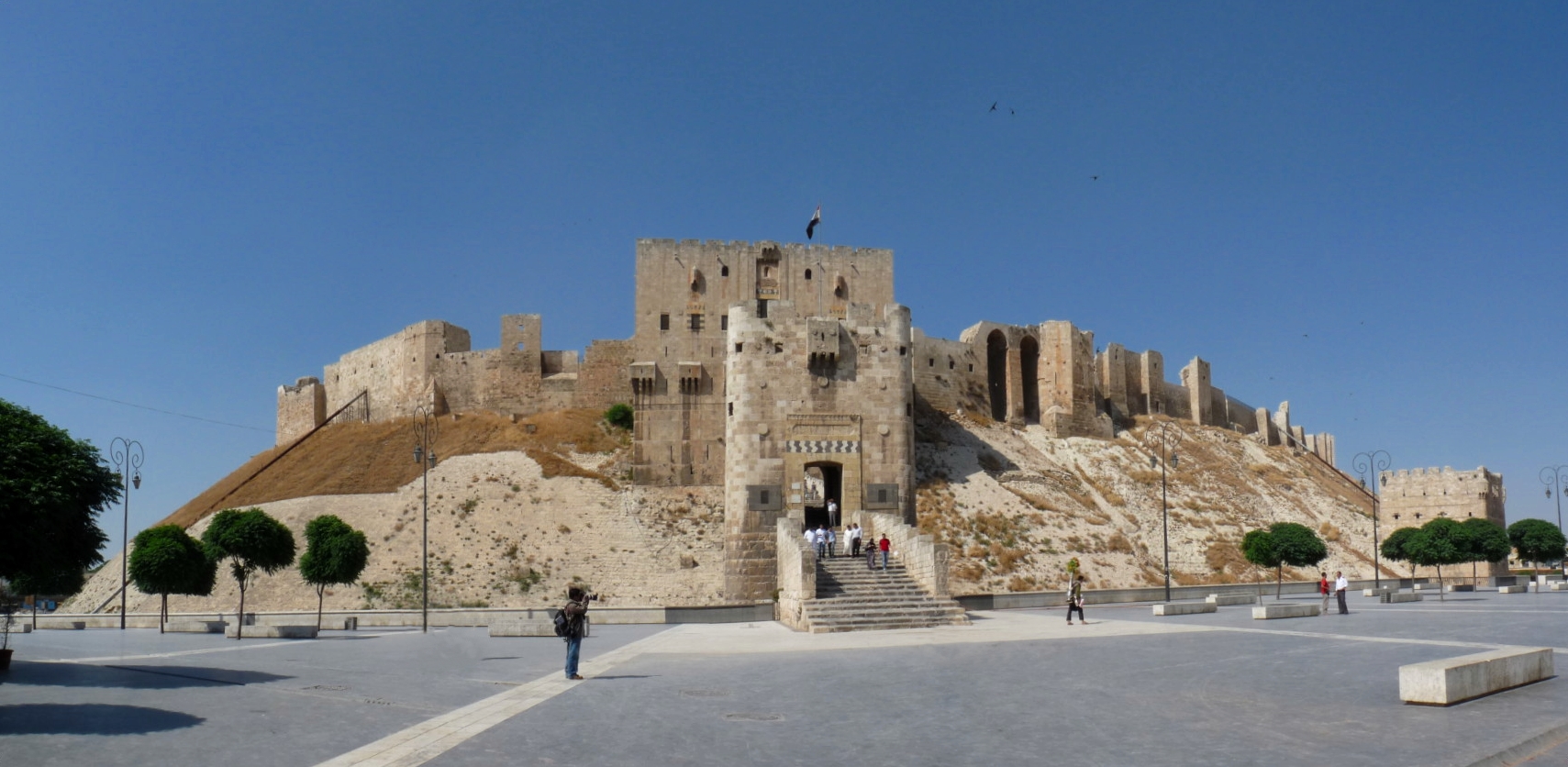
The map: the whole road, animated. Tap a pin or a name and its story opens in a popup. Tap the round button to run the animation again

History · An interactive story

The Real Silk Road

Four chapters · About ten minutes · With a short quiz at the end

There was never one Silk Road. There was a relay: silk, glass, horses, paper, faiths and ideas passed from hand to hand across some 6,400 kilometres, between Chang'an in China and Constantinople on the Bosphorus. Almost nobody travelled the whole way. This is how it actually worked.

One chapter at a time. Every chapter starts with its animated map at the top. Tap a name under the map, or a pin on it, and that place lights up on the map while its story opens in a popup, so the page never gets longer. The same names appear in bold in the chapter text below, colour coded: people in red, cities in blue. A little gold crown beside a name marks an emperor, and crossed swords mark someone who was killed. Tap any of them and the story opens again. Close the popup, read the chapter below the map, then move on. Four chapters, about ten minutes, with a short quiz at the end. Every map has a round replay button: tap it and the animation runs again.

Chapter 1 of 4

The envoy who opened the west

Chang'an → Lanzhou · the eastern end of the road

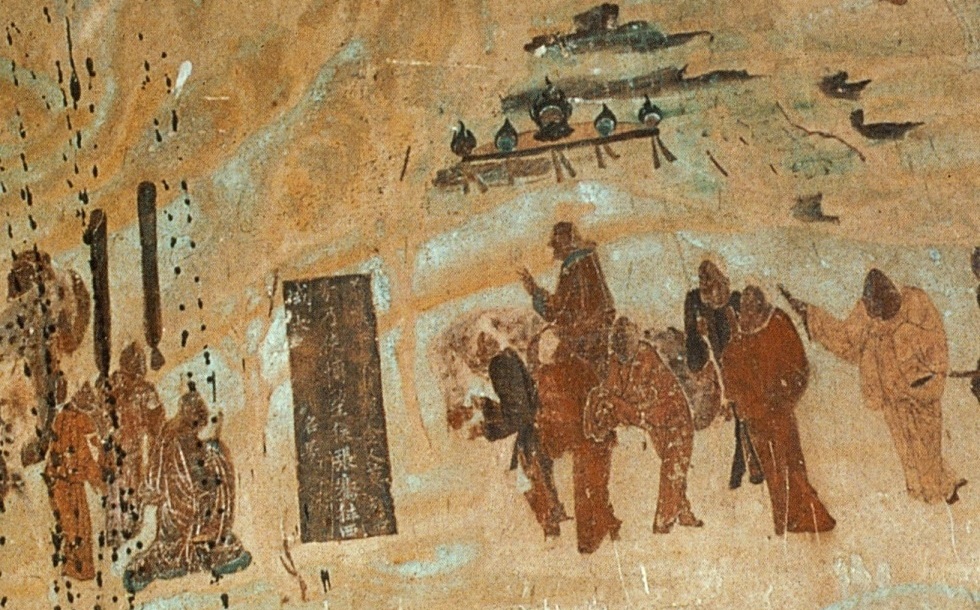
In 138 BCE, Emperor Wu of Han China sent a court official named Zhang Qian west with a hundred men. The mission was not trade: it was war politics. China was fighting the Xiongnu nomads on its northern frontier, and Zhang Qian was to find the Yuezhi, a people driven west by the Xiongnu, and persuade them to attack from the other side.

It went badly, then brilliantly. The Xiongnu captured him and held him for ten years. He escaped, crossed deserts and mountains, found the Yuezhi settled and unwilling to fight, and after a second capture and a second escape, walked back into Chang'an in 126 BCE. Of the hundred who set out, two returned.

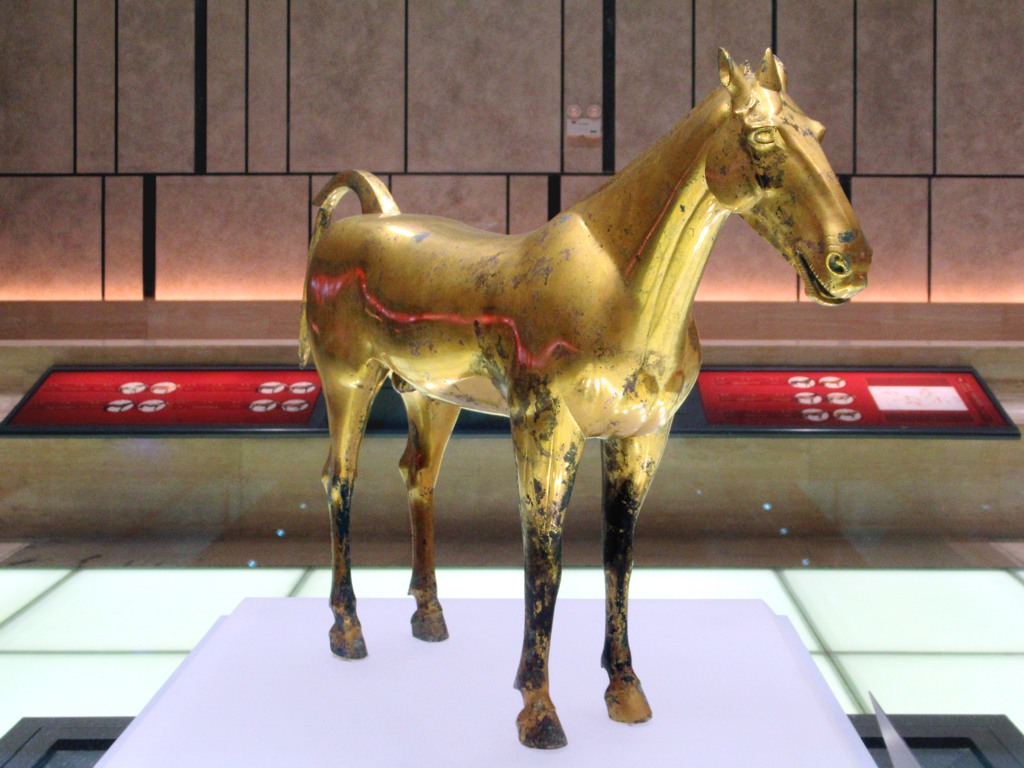
But his report described rich lands China had barely heard of, and above all the great horses of Ferghana. Garrisons followed, the Hexi Corridor was secured, and Chang'an became the eastern end of a road that would run for over a thousand years. What China sold down it was silk.

Cities in this chapter: tap a name to open its story in a popup

People in this chapter: tap a name to open their story in a popup
The real point of chapter 1The road was opened by diplomacy and war, not by merchants. Trade followed the soldiers and the garrisons.